Dive Adventures - Australias Leading Scuba Diving Travel Experts, Australia and Asia Pacific
Dive Adventures - Australias Leading Scuba Diving Travel Experts, Australia and Asia Pacific   Dive Adventures - Australias Leading Scuba Diving Travel Experts, Australia and Asia PacificDive Adventures - Australias Leading Scuba Diving Travel Experts, Australia and Asia PacificDive Adventures - Australias Leading Scuba Diving Travel Experts, Australia and Asia PacificDive Adventures - Australias Leading Scuba Diving Travel Experts, Australia and Asia PacificDive Adventures - Australias Leading Scuba Diving Travel Experts, Australia and Asia PacificDive Adventures - Australias Leading Scuba Diving Travel Experts, Australia and Asia PacificDive Adventures - Australias Leading Scuba Diving Travel Experts, Australia and Asia Pacific
 
Dive Adventures - Australias Leading Scuba Diving Travel Experts, Australia and Asia Pacific
 
Dive Adventures - Australias Leading Scuba Diving Travel Experts, Australia and Asia Pacific


East Timor (Timor-Leste)


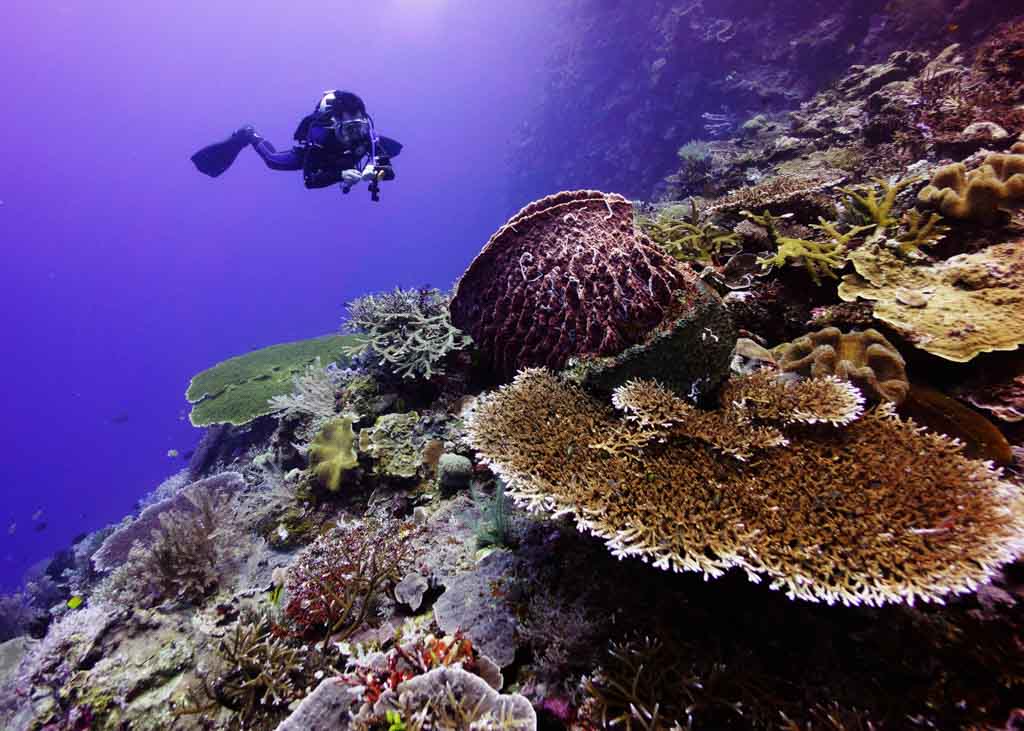
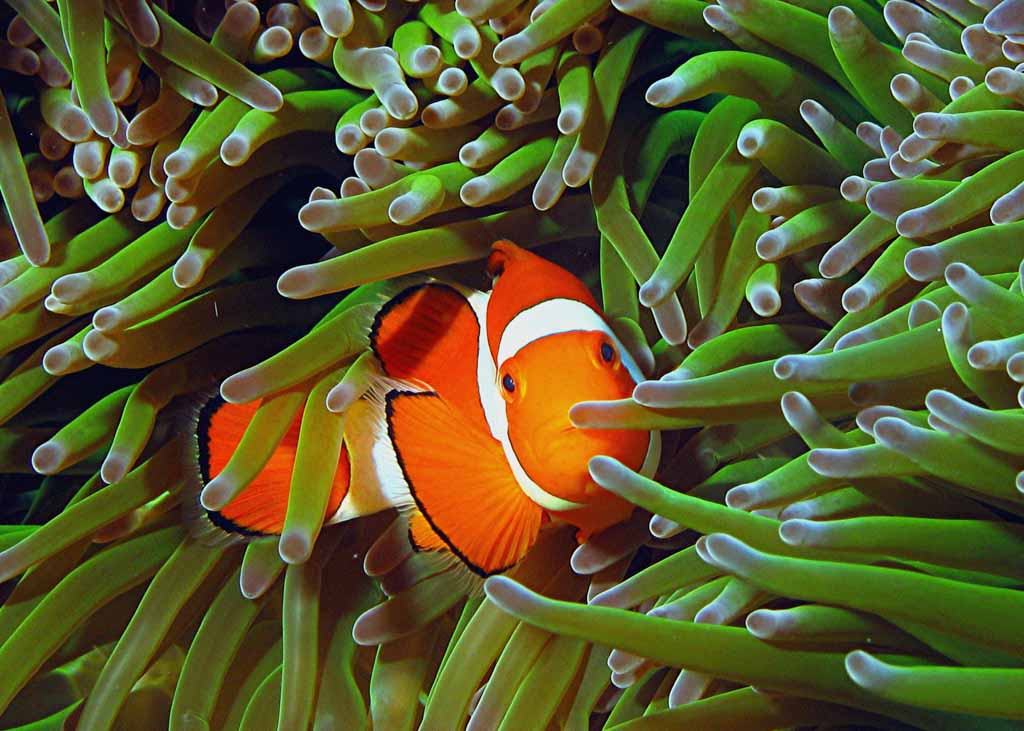
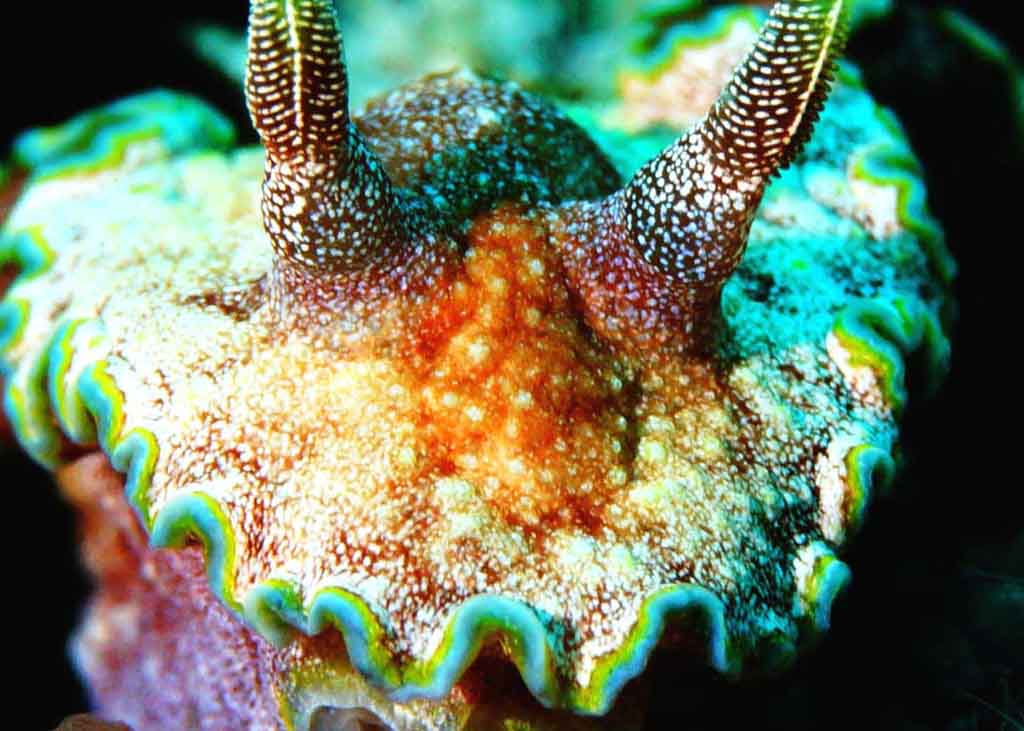
Colourful reef and tropical fish, East Timor - Dive Adventures AustraliaExtraordinary corals in East Timor - Dive Adventures AustraliaHuge school of pelagic fish, scuba diving East Timor - Dive Adventures Australia


Local Destinations
East Timor


Dili

  East Timor Map
  Diving in East Timor
  Local Travel Tips
East Timor Map

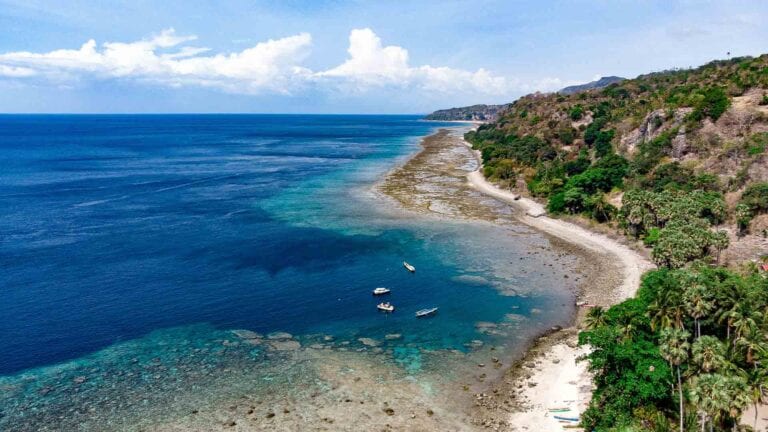
Timor-Leste, formerly known as East Timor, became the world’s newest, independent, democratic nation, in May 2002. Situated north west of Darwin, between Australia and Indonesia, East Timor is already beginning to draw small numbers of travelers to the island. With its beautiful, unspoiled beaches, world class scuba diving, spectacular landscapes and rich history, it is easy to see why.


Brief History of East Timor
For centuries the people of East Timor lived a subsistent farming life-style in isolated hamlets, scattered throughout the mountainous region and spoke many different languages and dialects.

In 1512 the arrival of sailors and merchants from Portugal, resulted in the colonization of the island that would last for over the next 400 years.

During World War II, Timor was invaded by the Japanese who stayed for over 3 years, causing devastation and human misery. During the time of Japanese occupation approximately 50,000 Timorese lost their lives. Following the war, Portuguese rule was restored in East Timor, but development of the country was slow, leaving the Timorese society almost unchanged.

Dive Adventures - Australias Leading Scuba Diving Travel Experts, Australia and Asia PacificOn 28th November 1975, following an attempted coup and clashes between rival political contenders, the Democratic Republic of Timor-Leste was proclaimed. Within 7 days, the new nation was invaded by Indonesia and thousands more Timorese were to lose their lives, during the next 24 years of Indonesian control.

In 1999, a United Nations sponsored referendum, led to the people of Timor-Leste voting overwhelmingly in favour of independence. The declaration of independence was finally implemented on the 20th of May 2002, creating the first Constitutional Government of Timor-Leste.

Dili - The Capital of East Timor


Over the last three years the capital, Dili, has sprung to life with many homes, shops, restaurants, bars, hotels and businesses popping up around the town. Dili still retains a few Portuguese influences, such as the villa-lined beach roads, ruins of an old fort built in 1627, many churches and a giant statue of Christ that adorns the headland of Cape Fatacumu, reminiscent of Rio de Janeiro.
Dive Adventures - Australias Leading Scuba Diving Travel Experts, Australia and Asia Pacific
Beautiful beaches with sheltered coves and white sands lie in both directions from Dili, with snorkeling and diving just a fifteen minute drive away. With the introduction onto the world tourism stage, Timor-Leste will continue to thrive and grow. The people are warm and friendly and look forward to welcoming visitors to their homeland. Be one of the first to explore this unique and exciting island nation and experience some of the best and as yet untouched diving in the world.


Scuba Diving in East Timor


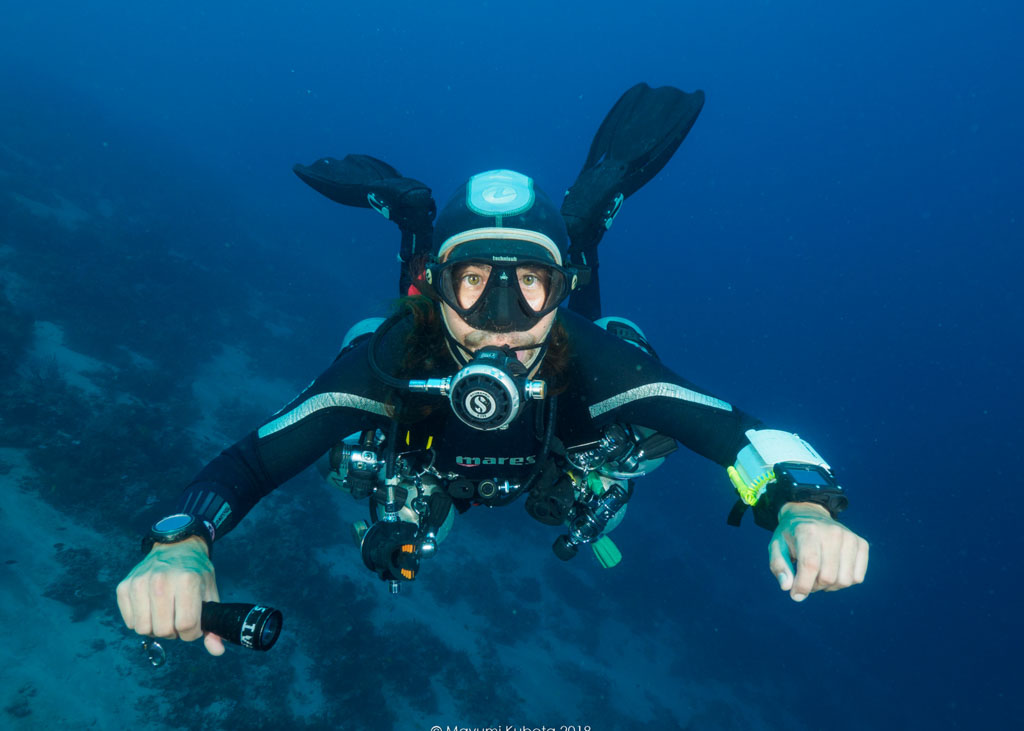
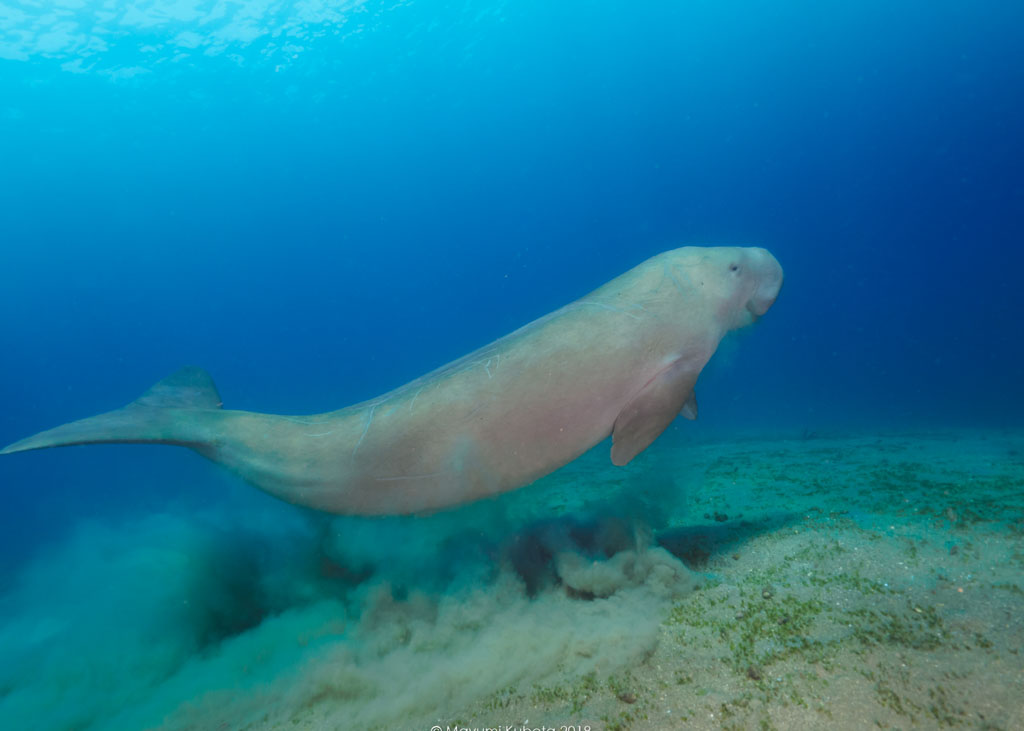
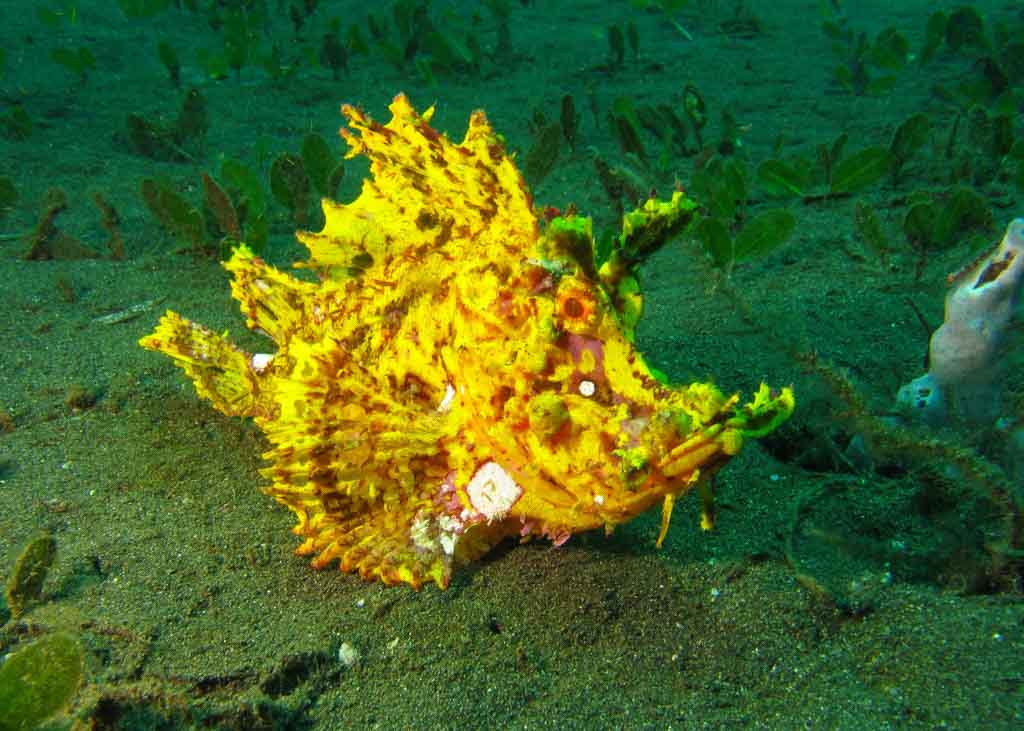
East Timor offers the adventurous diver the opportunity to explore the unexplored. The diving is world class with kilometres of majestic walls, that drop off into the deep blue sea, acres of untouched reefs, and an abundance of prolific marine life. Dolphin and Whale watching cruises can also be arranged on request. The best time of the year for diving is February to June and September to December.

Dive Adventures - Australias Leading Scuba Diving Travel Experts, Australia and Asia PacificDive Timor Lorosae is Timor's premier PADI dive centre. The professional and friendly staff will guide you to some of the best diving in South East Asia. With their purpose built dive vessels all built and run as per Australian standards, the centre can cater from 2 to 20 divers. All boats are powered by Honda 4 stroke outboards. The best dive sites can be reached within 45 minutes in comfort and total safety.


StarClick here to learn more about dive sites in East Timor Star

East Timor Travel Tips

Getting You Started
Timor-Leste, formerly known as East Timor, became the world’s newest independent nation in May 2002. Situated north west of Darwin between Australia and Indonesia, Timor-Leste is just over an hours flight from Darwin. International country code for Timor-Leste is 670. Timor-Leste is 9 hours ahead of Greenwich Mean Time (GMT).

Entry & Visa Requirements (subject to change)
Visitors who are nationals of British, Australian, Canadian, USA and other EU Countries require valid passports and a tourist visa valid for 30 days. Visas will be issued on arrival for a fee of USD30 cash. There are no money exchange facilities at the airport.

Medical & Health Requirements
Hospital facilities exist in the capital Dili. Malaria and dengue fever are a problem in Timor-Leste and anti malarial precautions are highly recommended. Remember that some medications can make you sun sensitive, so extra care must be taken to ensure that skin is protected from sun burn. Please check with your physician for the best precautions to be taken. (For further details contact Travel Vax on 1300 360 164).

Currency
The currency of Timor-Leste is the US Dollar. Credit cards are accepted at most hotels however restaurants do not allow you to run a tab therefore taking USD cash is recommended. 
1 AUD = approximately 0.89 USD (Janaury 2010)

Baggage (International flights Ex Australia)
Air North– 25kg (applicable for divers only)  (Subject to change without notice)

Duty Free
The allowance is 200 cigarettes and 2.25 litres of alcohol. 

Weather
East Timor has two seasons. The wet season is December to April and the dry season is May to November. Daytime temperatures in the lowland area ranges from 30°C to 35°C dropping into the low 20’s overnight. In the mountains temperatures can drop as low as 15°C overnight.

Clothing
The emphasis is on light and casual clothing but not too brief in public places including churches and markets. Swimwear is not permitted in the public areas of hotels. Remember to cover up with light cotton clothing at dusk and dawn to prevent mosquito bites. Sun protection is absolutely essential.

Electricity
220 volts AC, Plug I, C, E & F. Please note that some accommodation may have Indonesian plugs so it is recommended to carry a converter just in case.
(for further details refer to http://www.kropla.com/electric2.htm).

Banking
Both the Australian ANZ bank and the Portuguese Banco National Ultramarino have branches in Dili. Banking hours are 9.30am to 3. 3 0pm Monday to Friday. ATM’s can be found in Dili. Traveler’s cheques are not widely accepted.

Language
Tetum and Portuguese are the official languages. English and Indonesian are also widely spoken throughout Timor-Leste.

Religion
Approximately 95% of East Timorese are Catholic. Religious days are closely observed, loud noise and frivolous behaviour are frowned on during these times.

Water
Water used for drinking, brushing teeth or making ice should be boiled or sterilised. It is recommended to drink bottled water. In the tropics it is important to drink plenty of non-alcoholic fluids to avoid dehydration.

Shopping
In the centre of Dili, the local market is a great spot to meet the locals and find batiks and embroidered fabrics in traditional patterns and colours along with coral jewellery and woodcarvings. The coffee from Timor-Leste is unique and different from other coffees around the world. It is organically grown, renowned for its sharp flavour and definitely worth a try.

Tipping
There is no service charge added to bills, however if you are happy with the service, a 10% tip would be appreciated.

Diving
Timor-Leste offers the adventurous diver the opportunity to explore the unexplored and has some of the most accessible shore diving in South East Asia. Alternatively you can venture out to the famous Atauro Island, a 45 minute boat ride from Dili. Average water temperature is 28°C. A protective lycra suit or 3mm suit is recommended. Best visibility is between July to October. Dive operators supply tanks, weight belts and dive guide services. There will be an extra charge if equipment hire is required.

Departure Tax
A local tax of USD10 is to be on departure at the airport. Please have US cash available.


Return to the top

Dive Adventures - Australias Leading Scuba Diving Travel Experts, Australia and Asia Pacific


Terms and Conditions - Site Map