Dive Adventures - Australias Leading Scuba Diving Travel Experts, Australia and Asia Pacific
Dive Adventures - Australias Leading Scuba Diving Travel Experts, Australia and Asia Pacific   Dive Adventures - Australias Leading Scuba Diving Travel Experts, Australia and Asia PacificDive Adventures - Australias Leading Scuba Diving Travel Experts, Australia and Asia PacificDive Adventures - Australias Leading Scuba Diving Travel Experts, Australia and Asia PacificDive Adventures - Australias Leading Scuba Diving Travel Experts, Australia and Asia PacificDive Adventures - Australias Leading Scuba Diving Travel Experts, Australia and Asia PacificDive Adventures - Australias Leading Scuba Diving Travel Experts, Australia and Asia PacificDive Adventures - Australias Leading Scuba Diving Travel Experts, Australia and Asia Pacific
 
Dive Adventures - Australias Leading Scuba Diving Travel Experts, Australia and Asia Pacific
 
Dive Adventures - Australias Leading Scuba Diving Travel Experts, Australia and Asia Pacific


Bikini Lagoon


stop


Micronesia


Local Destinations


Bikini Lagoon
Guam
Kosrae
Marshall Islands
Palau
Palau Liveaboards
Pohnpei
Truk
Truk Liveaboards
Yap

  Micronesia Map
  Local Travel Tips
 

PDF Document - Current SpecialsDive Package

Special group departure

During 1946, following the end of WW2, the USA gathered together a “mock” naval fleet in order to test the effects of atomic bombs on the large fleet. The site chosen for the explosive tests was Bikini Atoll. Around the same time French fashion designer Louis Reard was looking for a name for his new, controversial, tiny swimsuit design and the “Bikini” was launched.

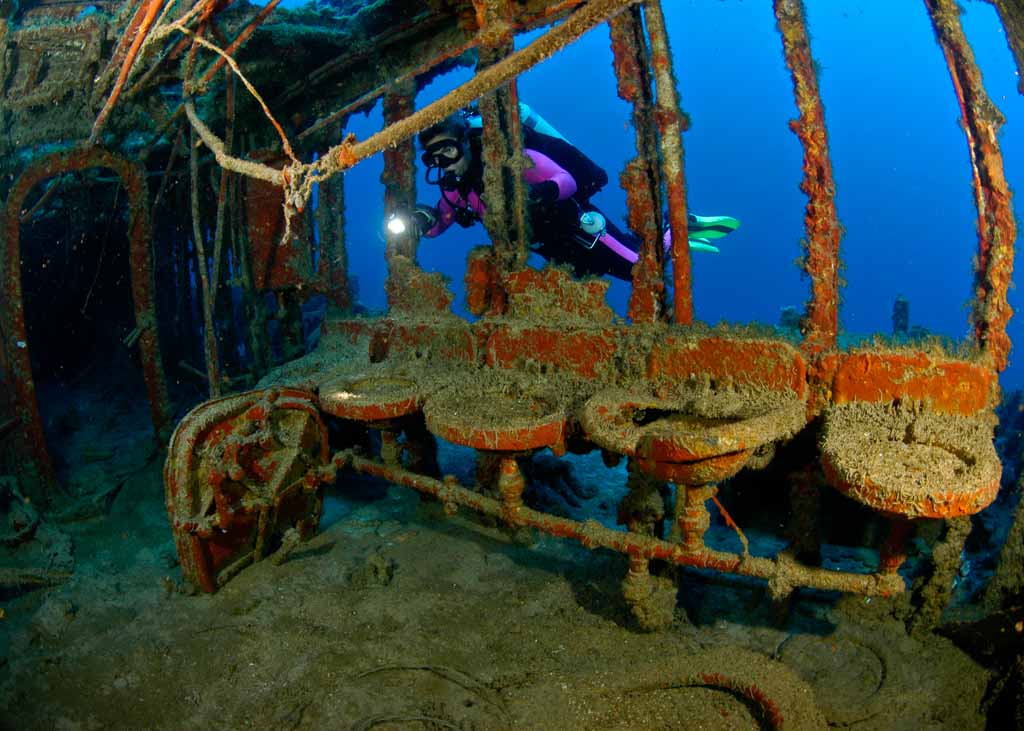
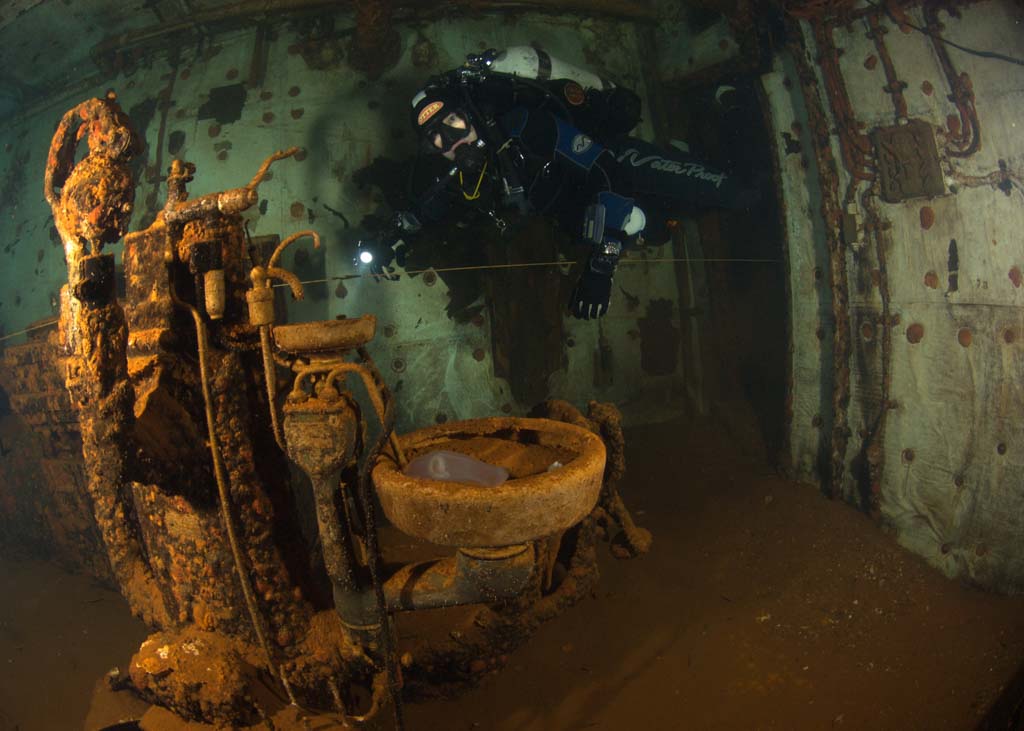
Bikini Lagoon became the final resting place for some of the most significant warships in history. Bikini Atoll was opened for diving in 1996 allowing divers to experience some of the most historic and amazing wreck diving in the world.

Bikini Lagoon open to divers

Scuba Diving in Bikini Lagoon


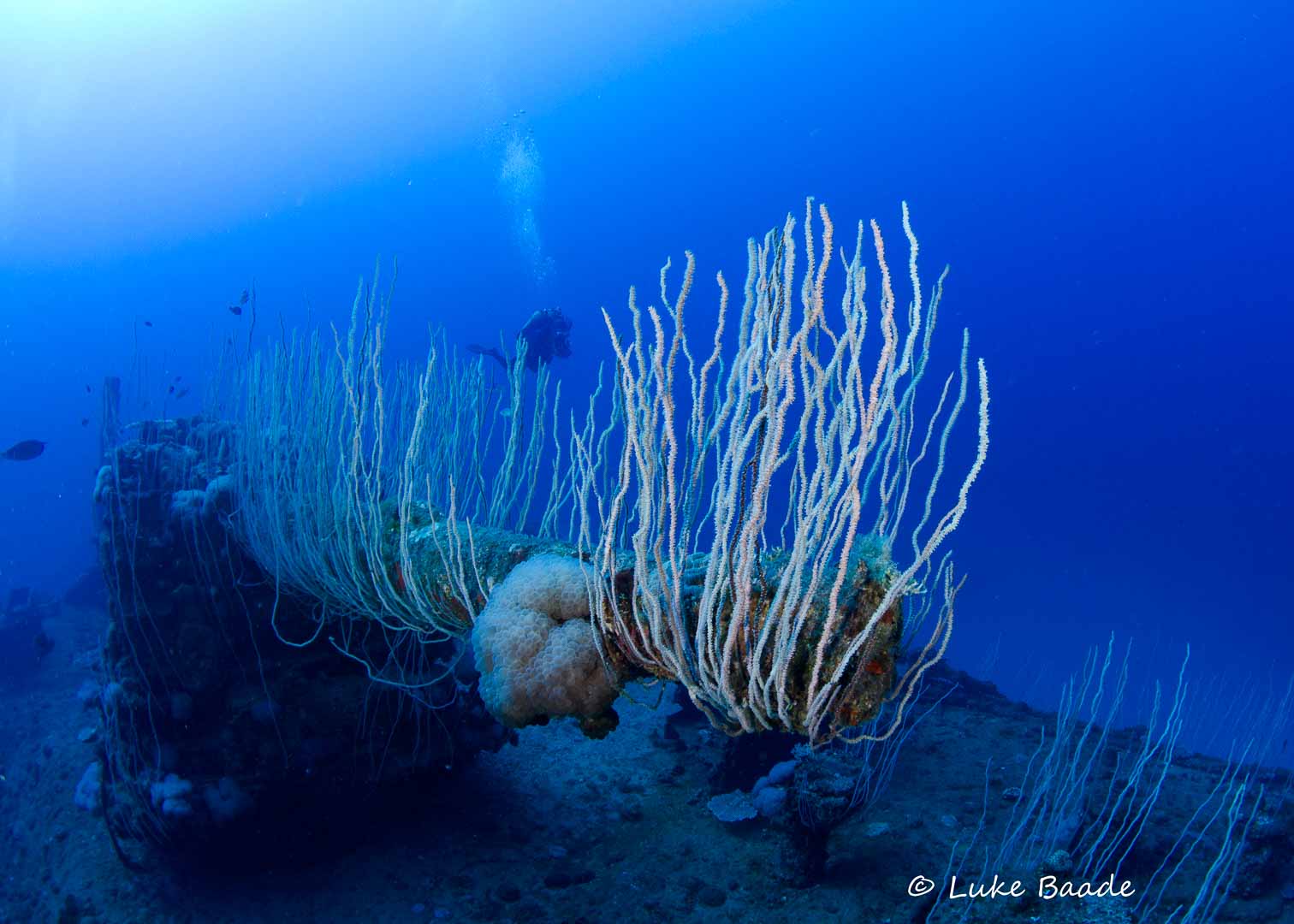
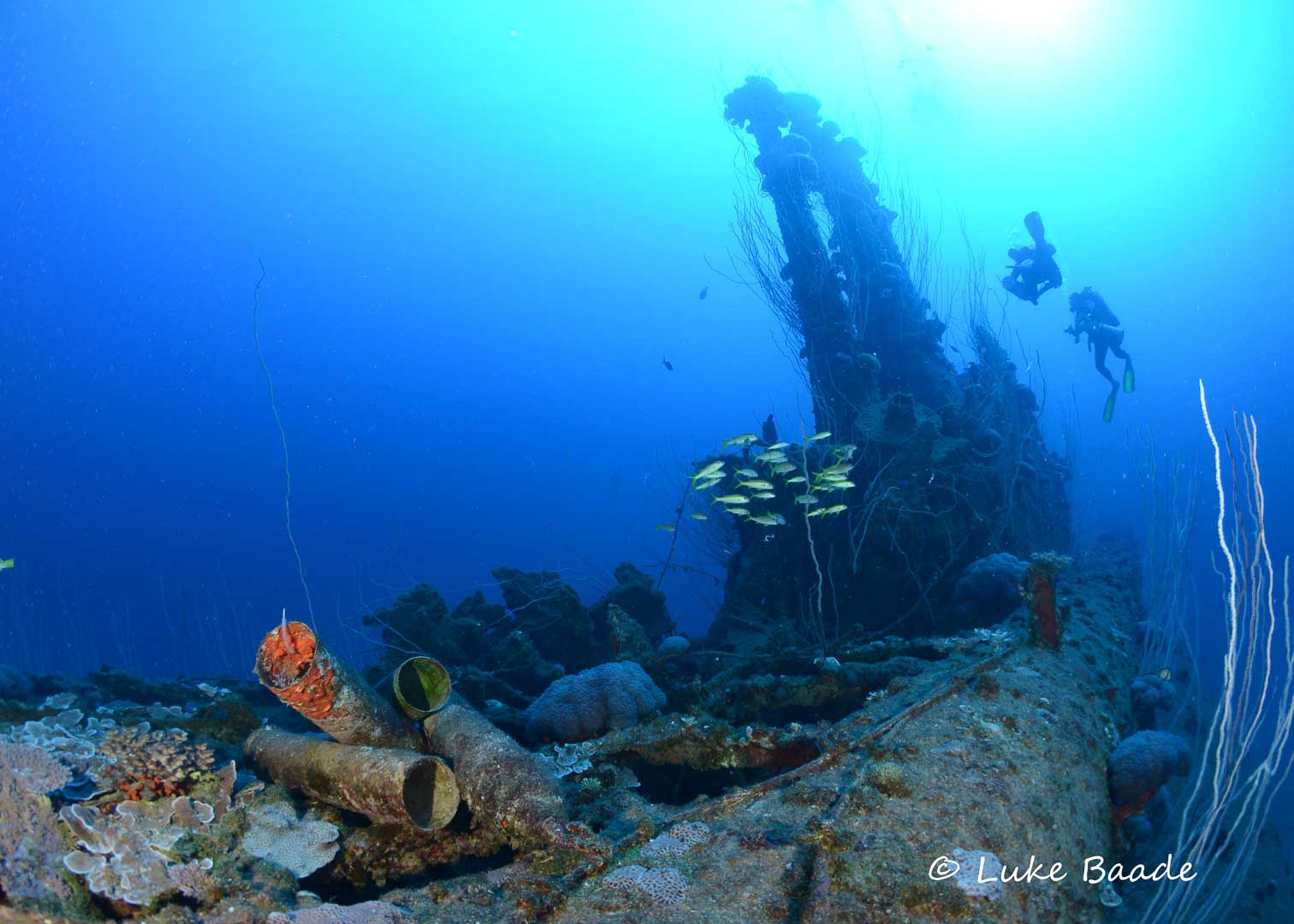
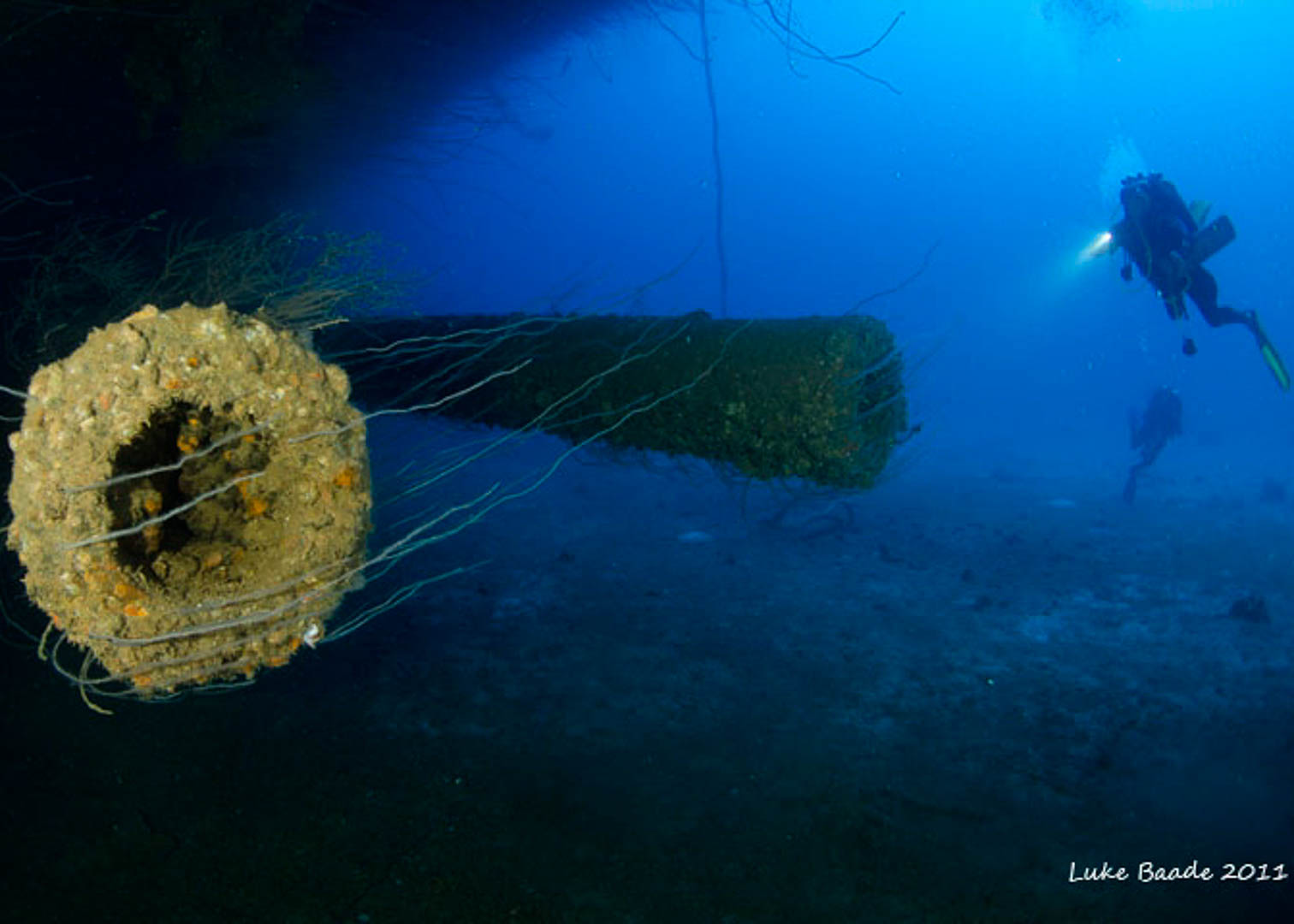
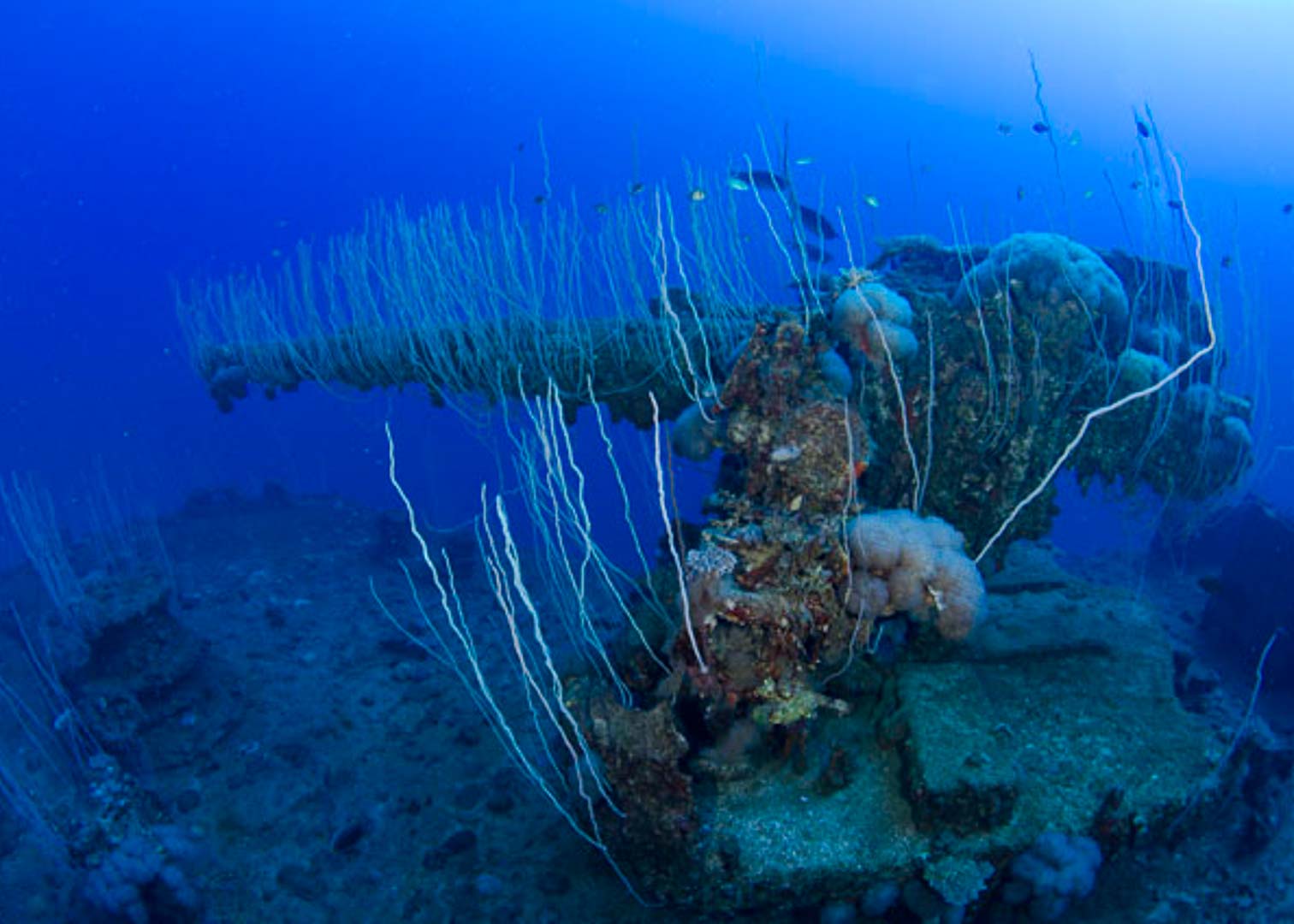
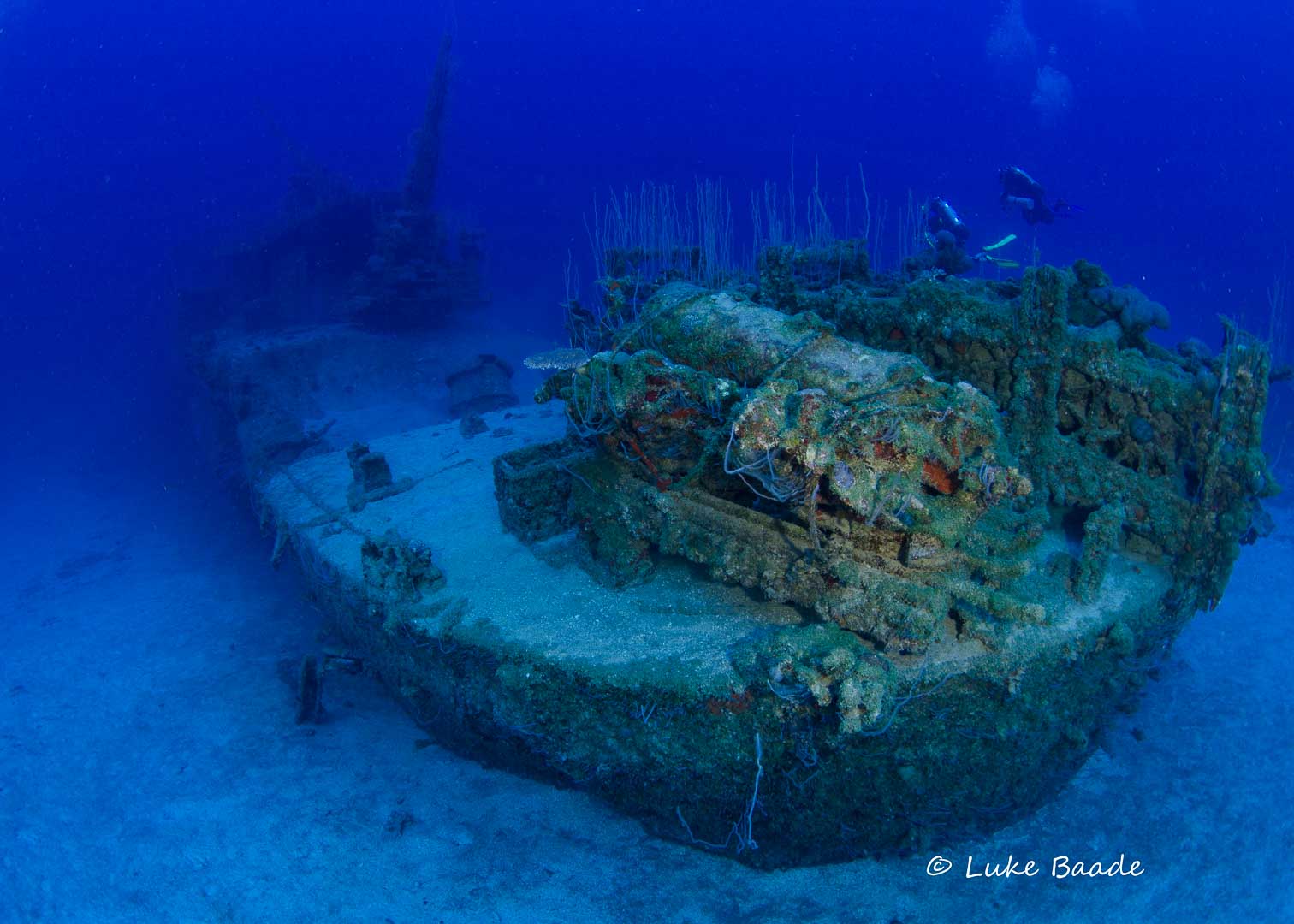
Bikini Lagoon is the final resting place of some of the finest and most famous WW II-era naval vessels. A huge assortment of types litter the lagoon floor, from mighty battleships and carriers to destroyers, submarines and smaller transports and landing craft.

Some of the more popular dives:

USS Saratoga - The only fully "dive-able" US aircraft carrier in the world lies upright in 180 feet of water. The superstructure is at 70 feet, deck at 100 feet and the airplane hangers at 130 feet. The USS Saratoga is a steel-hulled vessel with a waterline length of 830 feet
and a flight deck of 888 feet officially
weighing 33,000 standard tons.

HIJMS Nagato - Considered the flagship of the Imperial Japanese Navy. The ship is inverted, lying in 160-170 feet of water. The steel hulled vessel is 708 feet long and weighed 38,500 standard tons.

USS Arkansas - A US battleship lies
inverted in 180 feet of water. The riveted steel vessel is 562 feet long and weighed 23,066 standard tons.

USS Pilotfish & USS Apogon - Both US navy submarines 311.8 feet long & weighing 2424 standard tons submerged.

 

Getting to Bikini Lagoon and diving there

Diving Bikini Lagoon is available from May to October  from aboard the self-contained “MV Windward”.
The voyage from Kwajalein Atoll to Bikini Atoll is 215 nautical miles and takes approximately 25 hours, depending on conditions. 65 miles through the sheltered waters of Kwajalein Atoll takes 7 hours while the remainder of the journey in open seas takes around 18 hours. En-route there is the option of stopping at Wotho or Rongelap Atoll for a wall dive.
“MV Windward” is equipped with an on-board Deck Decompression Chamber, Nitrox, O2, Helium and sorb can be organized for the technically oriented diver.

Dive Profile
Due to the nature of the environment at Bikini Atoll the diving conditions are considered to be very advanced.
Dive Adventures recommend that only divers with the appropriate training and skill levels and who are confident and experienced divers even consider going to Bikini. Depending on the needs of each group,  there is a minimum of two deep dives per day. If time and nitrogen levels permit there could be diving later in the day on reefs at shallower depths.
Sea Life
This area has been untouched for 40 years and has very prolific sea life including sharks, tuna, marlin, turtles and much more.
Radiological Status
The US Department of Energy (DOE)
and Lawrence Livermore Laboratories have carried out extensive research and monitoring of Bikini Atoll. Their reports state that in general the environment poses no radiological danger. However, there are some very low amounts of residual cesium deep in the soil that could be absorbed  into plants with deep root systems, such as coconut trees. If  these plants are consumed in large quantities, over a long periods of time, an unacceptable level of cesium may be absorbed by humans. "The potential dose [of radiation] to a person swimming in the Bikini Lagoon or diving on or around the sunken ships is so low ... that it can be considered essentially zero."


Return to the top

Dive Adventures - Australias Leading Scuba Diving Travel Experts, Australia and Asia Pacific


Terms and Conditions - Site Map