Dive Adventures - Australias Leading Scuba Diving Travel Experts, Australia and Asia Pacific
Dive Adventures - Australias Leading Scuba Diving Travel Experts, Australia and Asia Pacific   Dive Adventures - Australias Leading Scuba Diving Travel Experts, Australia and Asia PacificDive Adventures - Australias Leading Scuba Diving Travel Experts, Australia and Asia PacificDive Adventures - Australias Leading Scuba Diving Travel Experts, Australia and Asia PacificDive Adventures - Australias Leading Scuba Diving Travel Experts, Australia and Asia PacificDive Adventures - Australias Leading Scuba Diving Travel Experts, Australia and Asia PacificDive Adventures - Australias Leading Scuba Diving Travel Experts, Australia and Asia PacificDive Adventures - Australias Leading Scuba Diving Travel Experts, Australia and Asia Pacific
 
Dive Adventures - Australias Leading Scuba Diving Travel Experts, Australia and Asia Pacific
 
Dive Adventures - Australias Leading Scuba Diving Travel Experts, Australia and Asia Pacific


Micronesia


Local Destinations


Bikini Lagoon
Guam
Kosrae
Marshall Islands
Palau
Palau Liveaboards
Pohnpei
Saipan
Truk
Yap


Map of Micronesia


Location Travel Tips

Micronesia, means "small islands" and is the collective name given to the two thousand, tiny, tropical islands, scattered over an area of more than three million square miles of the Pacific Ocean, between Hawaii and The Philippines. (Some islands are so small they do not appear on many world maps).

The eight, main island groups, that form Micronesia include: Guam, The Republic of Palau (Belau), The Marianas, Pohnpei, Yap, Truk (Chuuk), The Marshall Islands and Kosrae. Each island group has its own unique cultures, language, history and attractions.

The islands and atolls are the culminating result of volcanic activity, which took place millions of years ago. Many of the islands are the summits of huge, underwater mountains, or rims of sunken volcano craters, peaking through the water surface, forming tropical lagoons.

Following World War II, The U.S.A. administered the Islands of Micronesia as a trust territory under the United Nations. More recently, the islands attained self-government, with subdivision and the formation of: The Republic of the Marshall Islands, Federated States of Micronesia, The Republic of Palau and The Commonwealth of the Northern Mariana Islands - a United States Territory

Geographical Information: The Islands of Micronesia are situated north of Papua New Guinea and to the west of Hawaii, approximately 5 hours flying time, from Cairns. Made up of more than 2000 Islands, the total population is approximately 160,000. Guam, is the largest and most populous of the islands and the main gateway to Micronesia.
The People: Micronesia was settled about 3000 years ago by seafarers who travelled across from South East Asia. The English language is widely spoken in addition to a number of indigenous languages including; Palauan, Yapese, Chuukese and Marshallese.

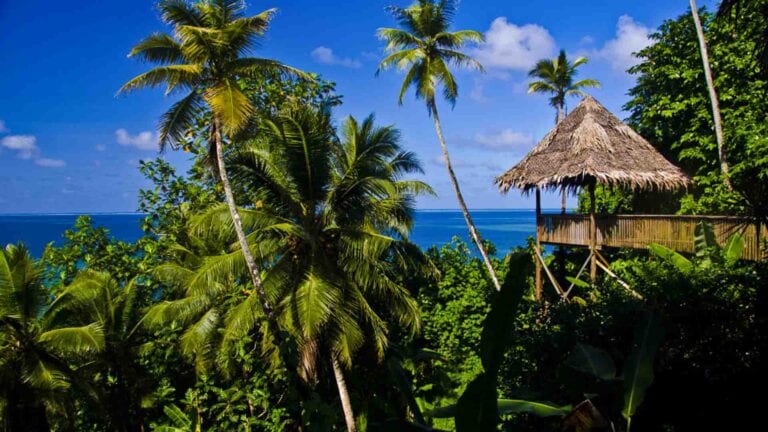
The Nature: The islands of Micronesia are geographically, culturally and naturally diverse. They include the high volcanic islands of Pohnpei and Kosrae, the raised coral islands of Guam and Saipan and coral atolls of The Marshall Islands. Inhabited areas consist of local villages that have maintained the traditional and cultural way of life, with few modern day facilities, there are also the more upmarket, resort areas of Guam and Saipan offering luxurious accommodation, entertainment attractions and great shopping. Micronesia has some of the most pristine underwater environments supporting thousands of fish species and a lush, tropical topside that houses an abundance of bird-life and flora and fauna.
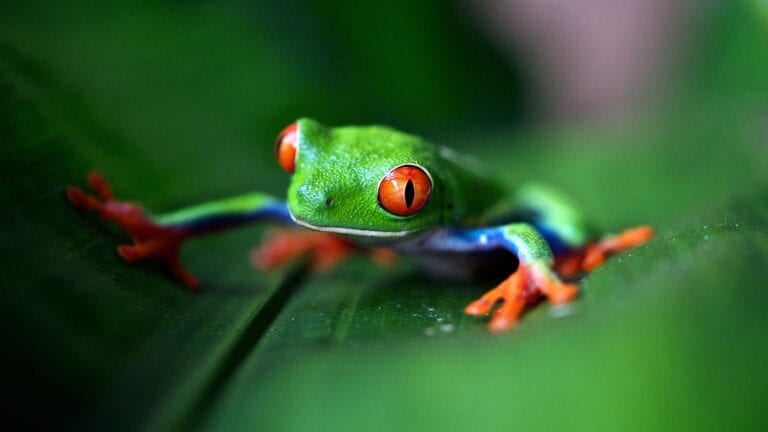

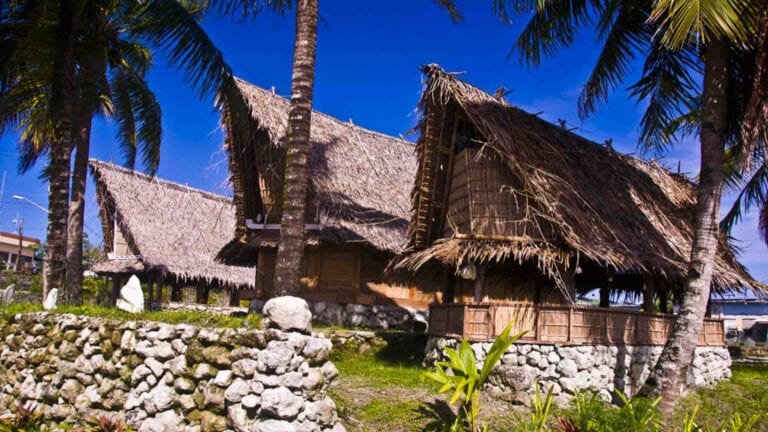
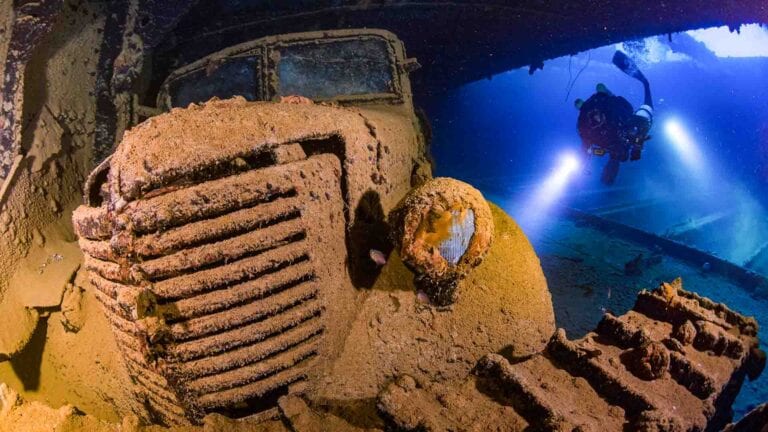
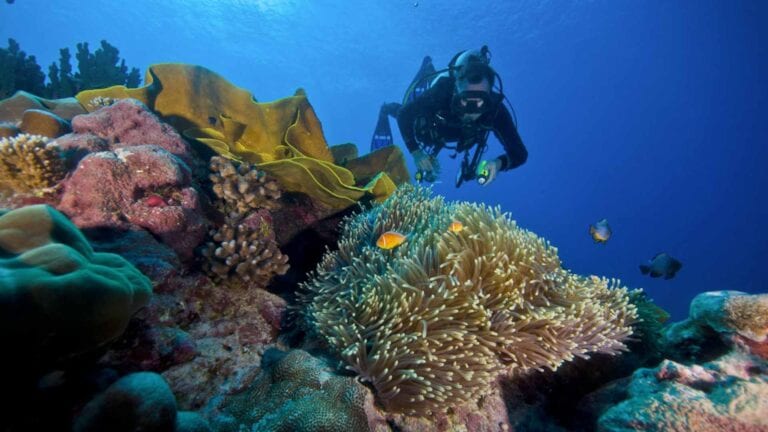
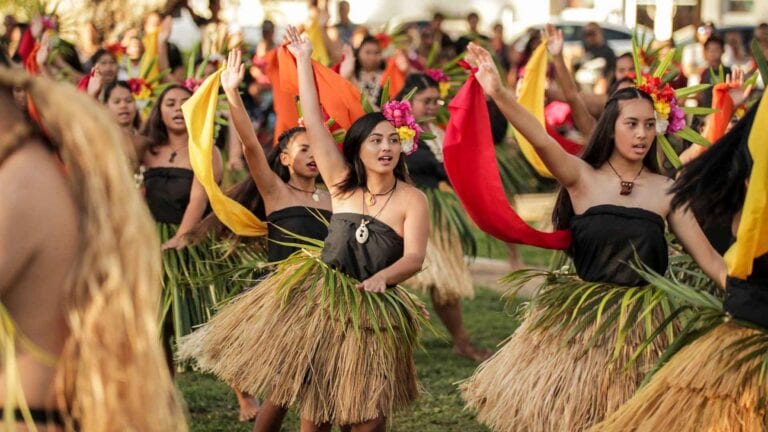
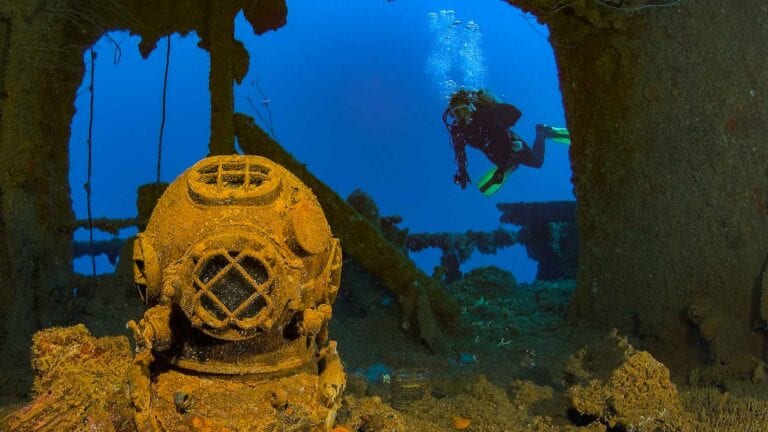
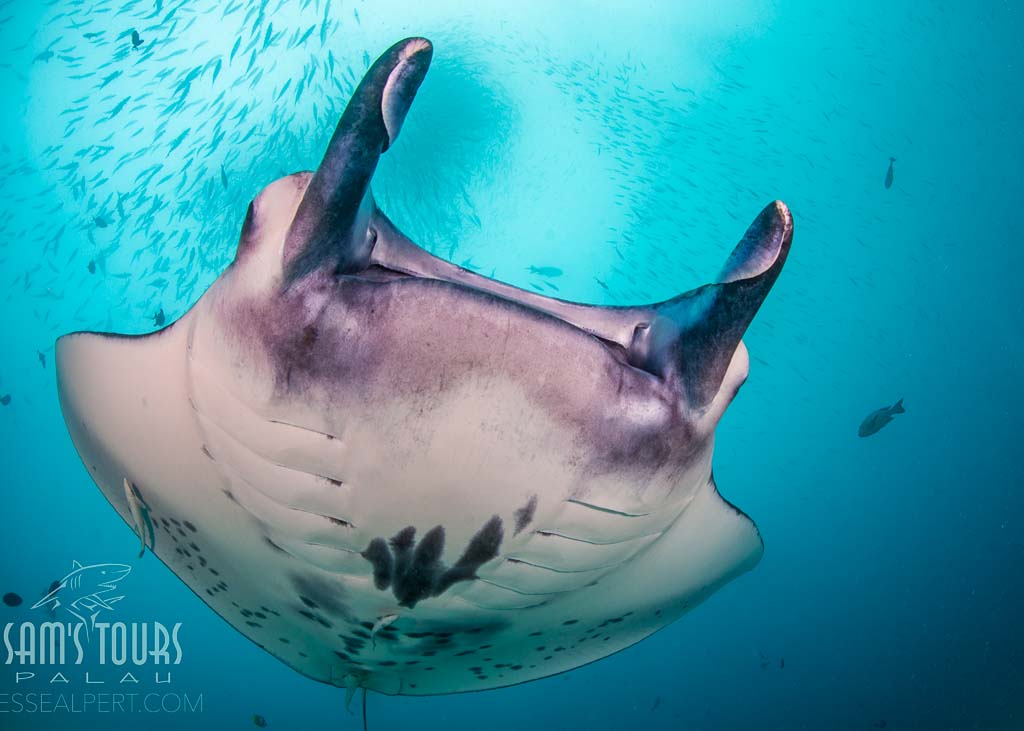
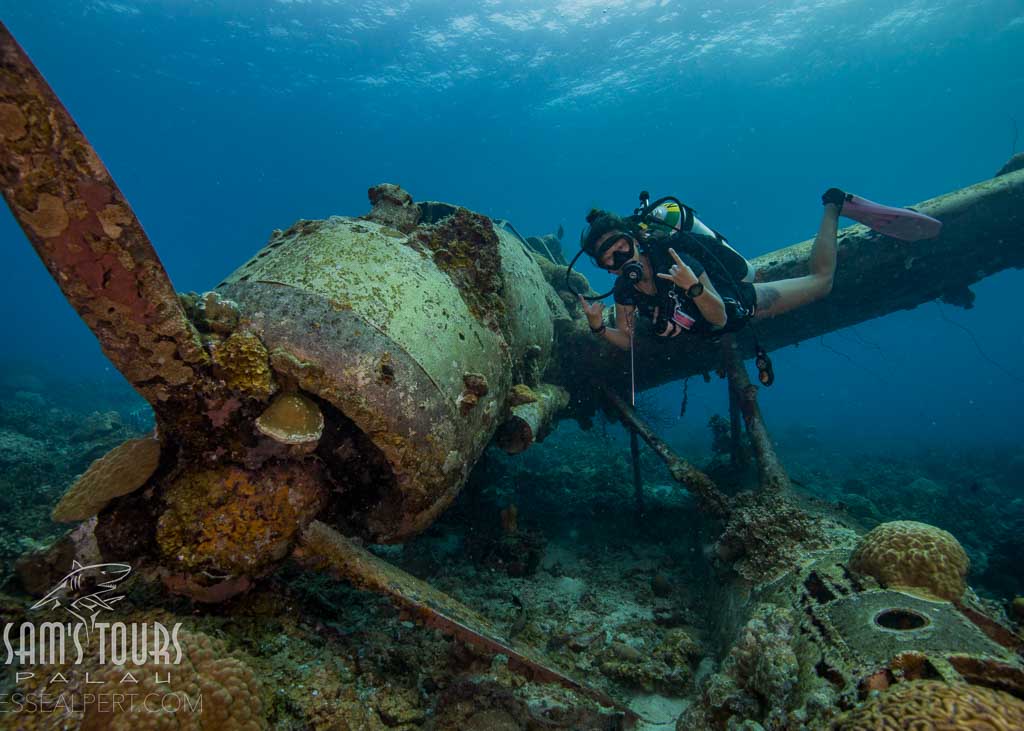
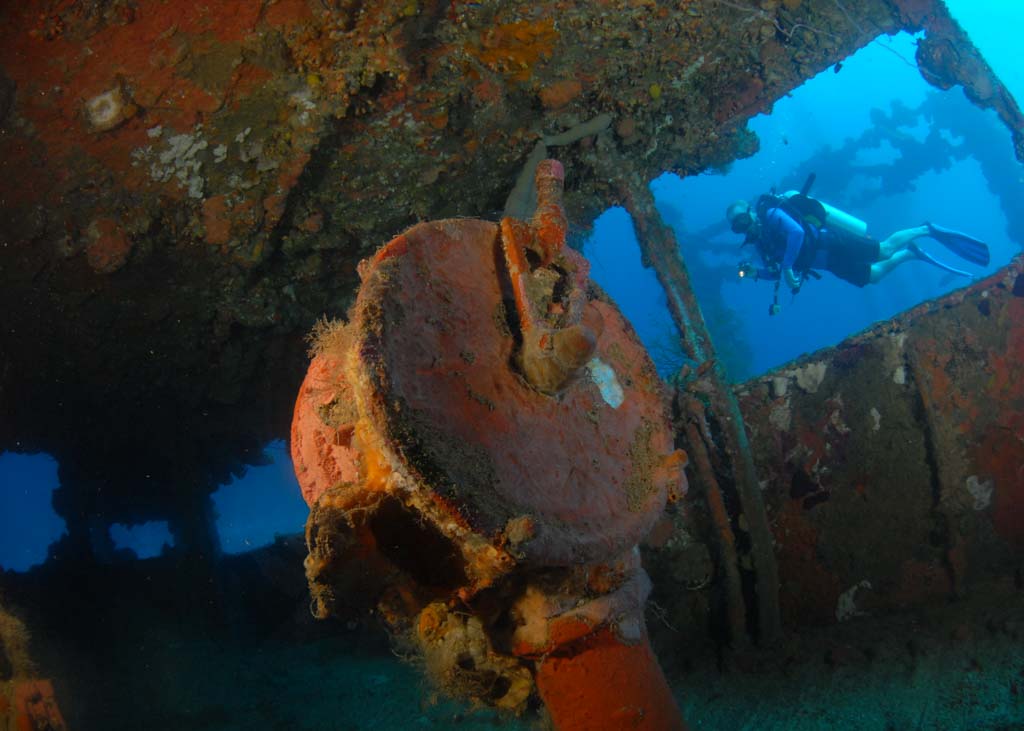
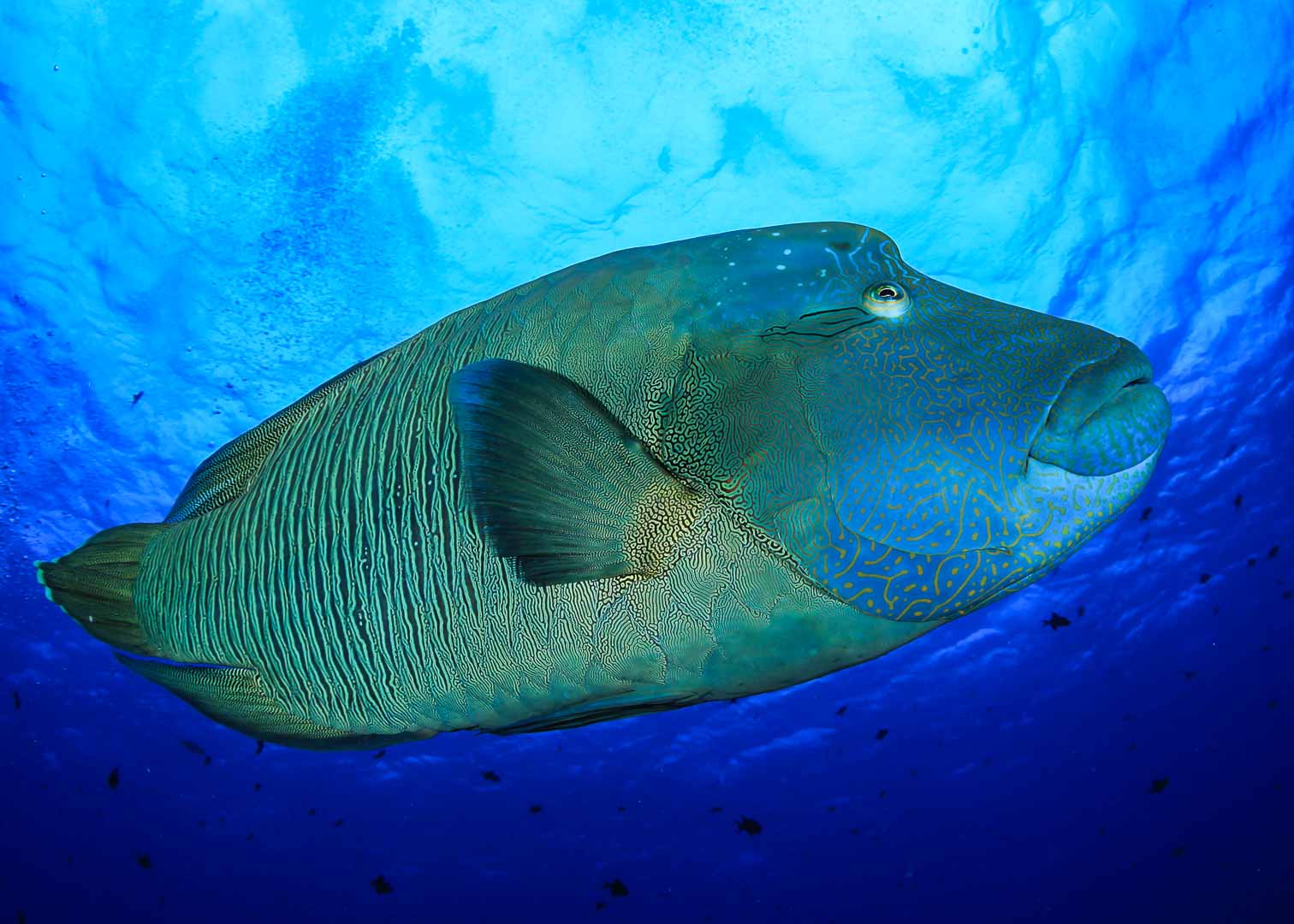
Activities: Micronesia is renowned for its world class diving. The pristine waters plays host to a variety of dazzling marine life whilst Truk Lagoon is the ultimate destination for wreck diving enthusiasts. Kayak around the many islands or hike to secluded lake and waterfalls. For culture lovers visit and enjoy the experience of traditional village life and for the history buffs there are many World War II sites to keep you enthralled.
Guide to Guam and Micronesia

Getting You Started

The Islands of Micronesia are about 5-6 hours by air from Cairns and are situated just to the North of Papua New Guinea and to the west of the Hawaii Islands. The international country code for Guam is 671, Palau 680 and the Federated States of Micronesia (FSM) is 691. Also from June 2010 there are direct flights from Gold Coast to Palau.
Palau is 9 hours ahead of Greenwich Mean Time (GMT); Guam, Chuuk & Yap are 10 hours; and  Pohnpei & Kosrae are 11 hours ahead of GMT.

Entry & Visa Requirements (subject to change)
Visas are not required for Australian Passport holders traveling to Guam for stays less then 15 days; FSM less than 30 days; and Palau less than 90 days. Due to recent changes with US immigration laws it is also recommended that travellers log onto the ESTA Web site and complete the online application (https:esta.cbp.dhs.gov).

Medical & Health Requirements
There is a recompression chamber in Guam, run by US Navy and two hospitals in Guam. There are also recompression chambers in Palau, Chuuk, Yap and Pohnpei. There is no major health risk in Micronesia. Remember that some medications can make you sun sensitive, so extra care must be taken to ensure that skin is protected from sun burn. Please check with your physician for the best precautions to be taken. (For further details please contact Travel Vax on 1300 360 164).

Currency
The currency of Guam & Micronesia is the US Dollar. Most international credit cards are accepted by hotels, shops and restaurants throughout Micronesia. 1 AUD = approximately .91 USD (Janaury 2010)

Baggage (International flights Ex Australia)
C
ontinental Airlines - 2 pieces (23kg each)
PacificFlier - 30kg for divers
(subject to change without notice)

Duty Free
Guam & Palau allowance is 200 cigarettes or 454g of tobacco, and 1.136 litres (Guam) / 2 litres (Palau) of alcoholic beverages. FSM allowance is 600 cigarettes or 454g of tobacco and 2 litres of alcoholic beverages (over 21s only). If transiting in Guam you are not permitted to carry duty free items with you to the outer islands. Duty free can be purchased in Guam.

Weather
Micronesia has some of the most uniform year round temperatures in the world, with an average temperature of 27°C. The lowest rainfall period is normally experienced between January to March.

Clothing
The emphasis is on light casual clothing. Swimwear is not permitted in public areas of hotels. Remember to cover up with light cotton clothing at dusk and dawn to prevent mosquito bites. Sun protection is absolutely essential. 

Electricity  
110-120 volts, Plug A & B-same as USA.
(for further details refer to http://www.kropla.com/electric2.htm).

Banking  
It is strongly recommended not to carry Australian Dollar travelers cheques as you may have difficulty cashing them. Opening hours are 8.00am to 12.00pm and 1.00pm to 5.00pm Monday to Friday and closed on the weekends.  

Language
Predominately English speaking throughout although Micronesia also has a native tongue. You will also find that many elderly people are fluent in Japanese.  

Religion
Local traditional beliefs and ceremonies are maintained in remote areas but Roman Catholic influence is predominant.

Water
The water is safe to drink in major hotels and resorts, however it is always best to drink bottled water. A jug of drinking water is often supplied and bottled water is sold everywhere. In the tropics it is important to drink plenty of non-alcoholic fluids to avoid dehydration.

Shopping  
Guam is a duty free port and there is a large range of goods and clothing available but ensure that any electrical goods purchased are suitable for Australia. Other islands offer local artifacts and clothing. Most shops are open 08.00am to 5.00pm Monday to Friday, on weekends some shops open with limited hours.

Tipping
Guam & Palau follow the American custom and tipping is an accepted practice in restaurants, hotels and for baggage porterage. In FSM tipping is neither expected or encouraged.

Diving
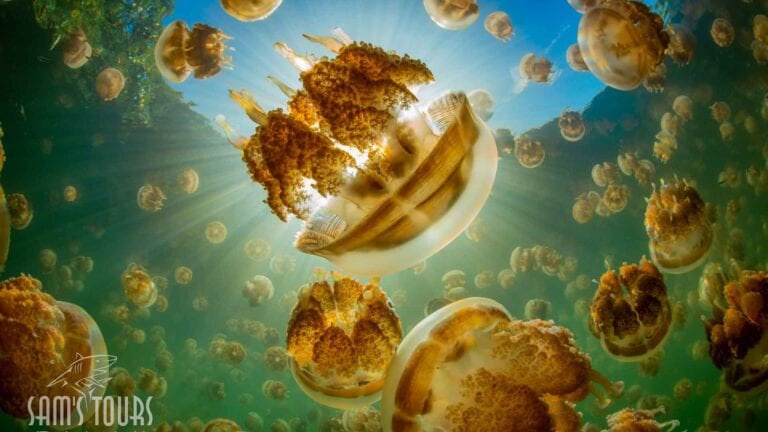
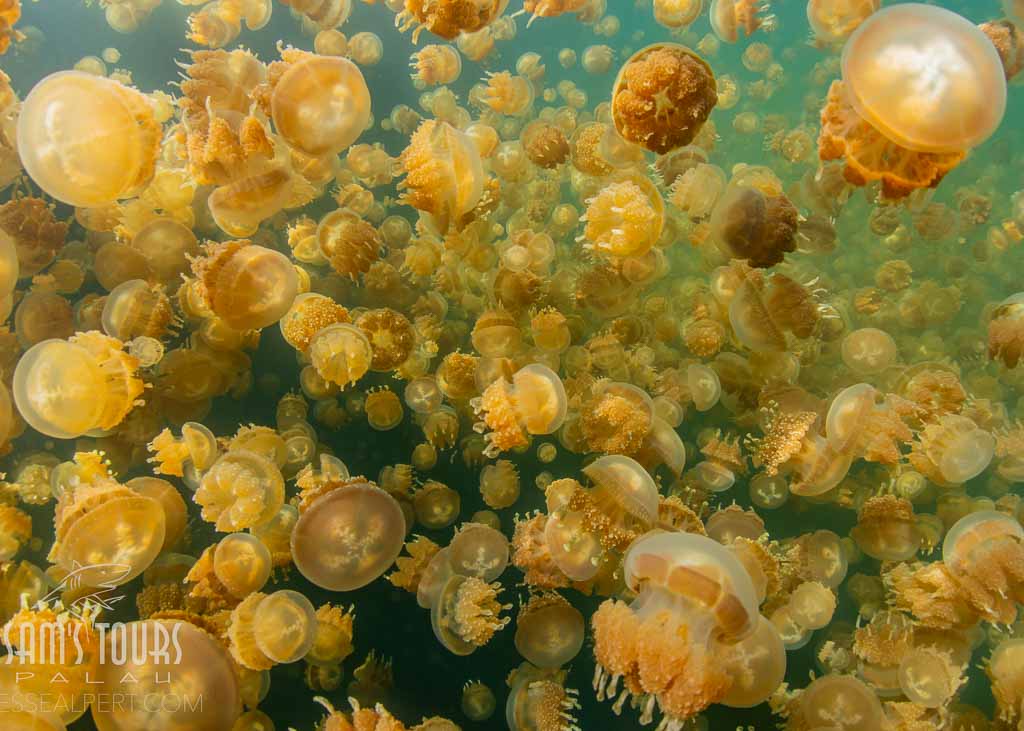
The majority of visitors come to snorkel or scuba dive. The fish life, corals and the many wrecks from World War II make the area one of the worlds leading dive destinations. Average water temperature is 29°C so a lycra suit or a 3mm suit is recommended. Palau states charge small fees to assist with their Conservation programs. Koror State, Rock Island & Jellyfish Lake Permit valid for 10 days is USD30. Peleliu State Dive Permit valid for 14 days is USD25.

A dive permit costing USD30 is required in Chuuk. Dive operators supply tanks, weight belts and dive guide services. There will be an extra charge if equipment hire is required.

Departure Tax
Local departure taxes vary from island to island. Chuuk USD20, Palau USD35, Pohnpei & Kosrae USD17 must be paid on departure. There is currently no local departure tax for Guam & Yap.


Return to the top

Dive Adventures - Australias Leading Scuba Diving Travel Experts, Australia and Asia Pacific


Terms and Conditions - Site Map