Dive Adventures - Australias Leading Scuba Diving Travel Experts, Australia and Asia Pacific
Dive Adventures - Australias Leading Scuba Diving Travel Experts, Australia and Asia Pacific   Dive Adventures - Australias Leading Scuba Diving Travel Experts, Australia and Asia PacificDive Adventures - Australias Leading Scuba Diving Travel Experts, Australia and Asia PacificDive Adventures - Australias Leading Scuba Diving Travel Experts, Australia and Asia PacificDive Adventures - Australias Leading Scuba Diving Travel Experts, Australia and Asia PacificDive Adventures - Australias Leading Scuba Diving Travel Experts, Australia and Asia PacificDive Adventures - Australias Leading Scuba Diving Travel Experts, Australia and Asia PacificDive Adventures - Australias Leading Scuba Diving Travel Experts, Australia and Asia Pacific
 
Dive Adventures - Australias Leading Scuba Diving Travel Experts, Australia and Asia Pacific
 
Dive Adventures - Australias Leading Scuba Diving Travel Experts, Australia and Asia Pacific


Kabaira Dive Rabaul


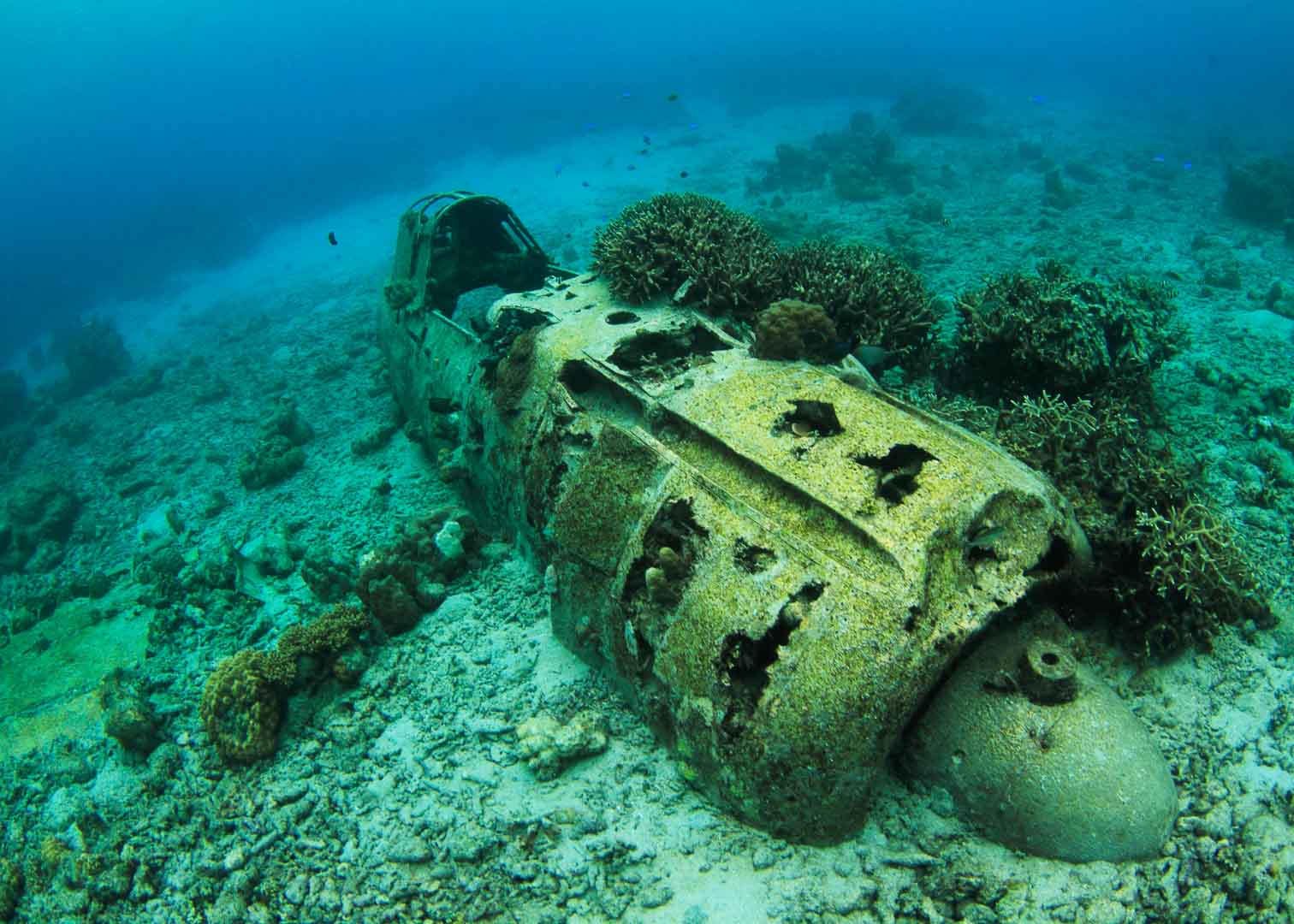
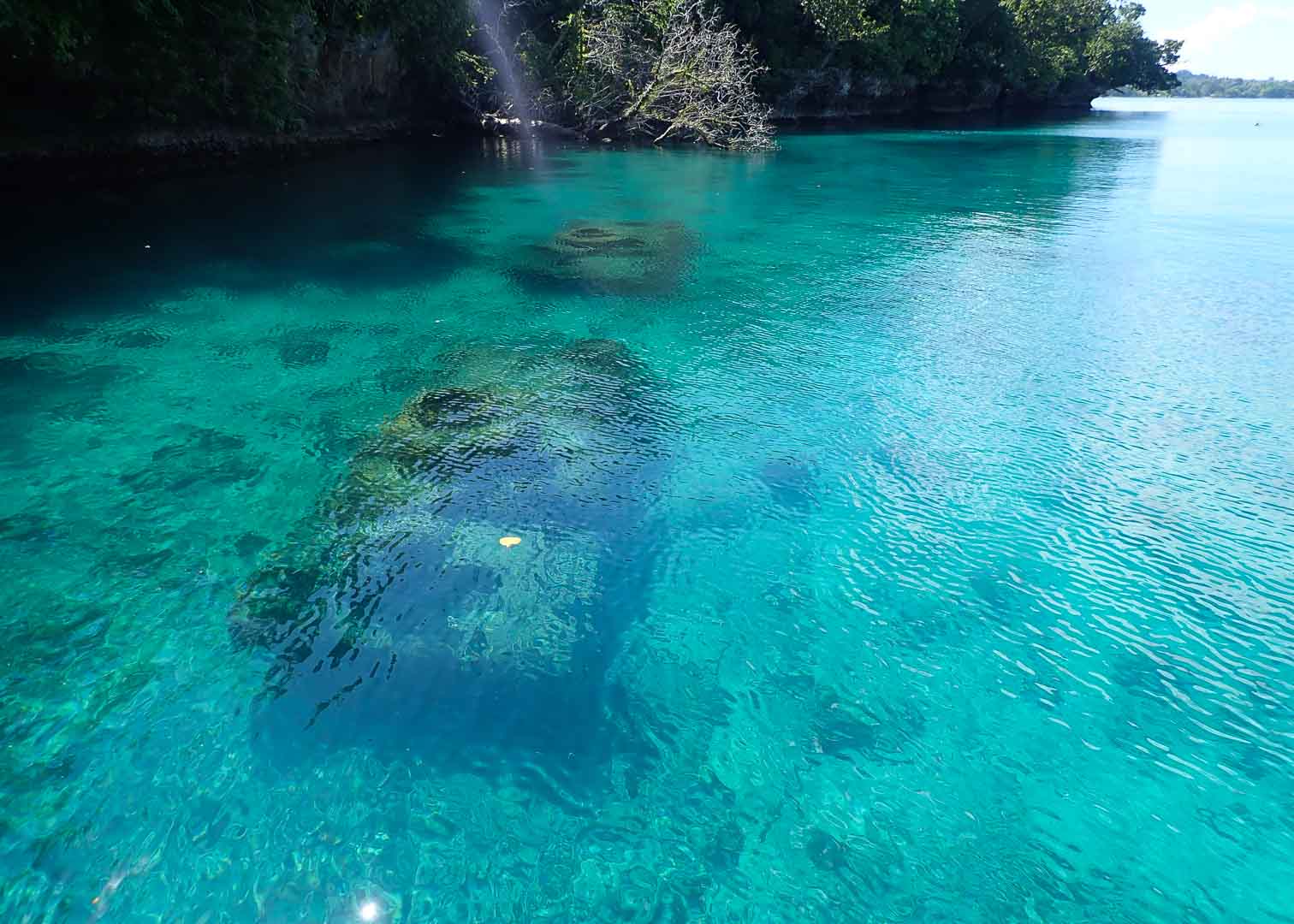
A"Pete" F1M Japanese Sea Plane Wreck, Rabaul Papua New Guinea - Dive Adventures AustraliaTowering rock and island formations in Rabaul, Papua New Guinea - Dive Adventures Australia


Papua New Guinea


Local Destinations


Madang
Kavieng
Port Moresby
Rabaul
Tufi
Walindi (Kimbe Bay)
Local Liveaboards


Hotels and Resorts


Kabiara Dive Rabaul
Rapopo Resort

  PNG Map
  Diving in Rabaul
  PNG Travel Tips

Critters, WW2 wrecks, adventure dives to remote islands and exciting Papua New Guinea reef dives - Kabaira Dive Rabaul offers you exclusive personalised diving, all from a laid back beachfront resort.

Kabaira Dive Resort is set right on the beach with views across Atalikilikun Bay, 45 minutes from Rabaul and Kokopo. The recently renovated property was originally used as a stopover for local plantation owners when they transported their cocoa and copra produce to Rabaul.

Kabaira Dive provides transfers from Tokua Airport, Kokopo and Rabaul Town.

Diving & Dive Sites

Some of the more popular dive sites on The North Coast:

George’s Wreck
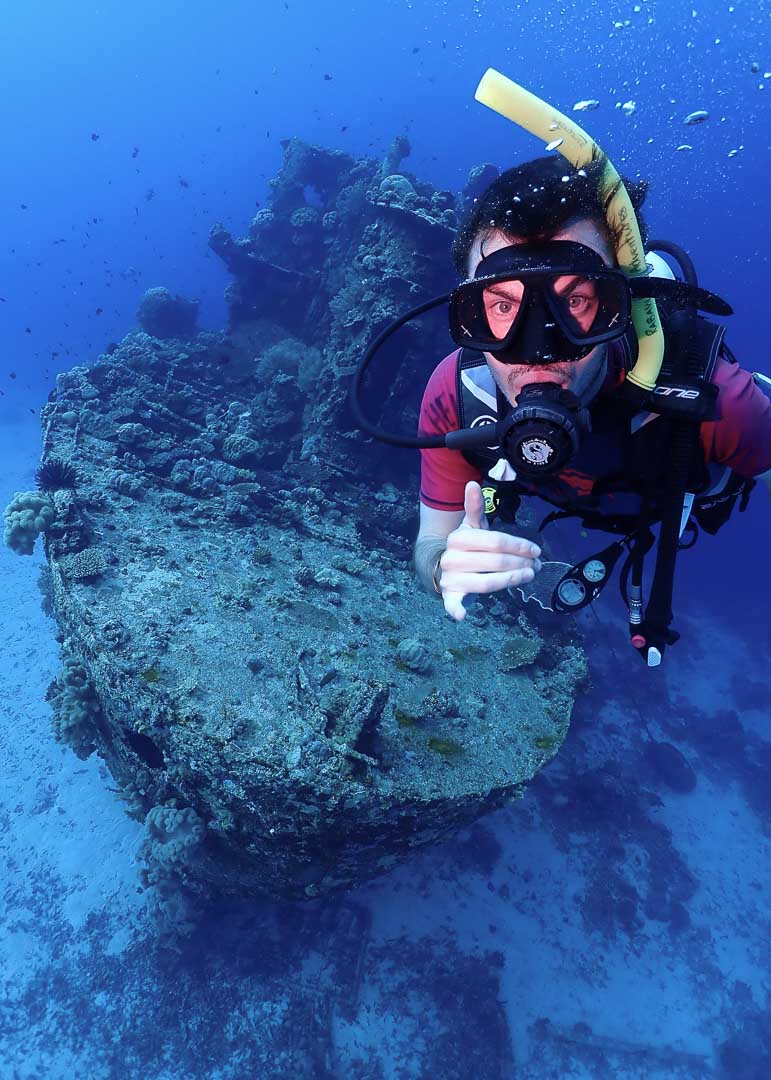
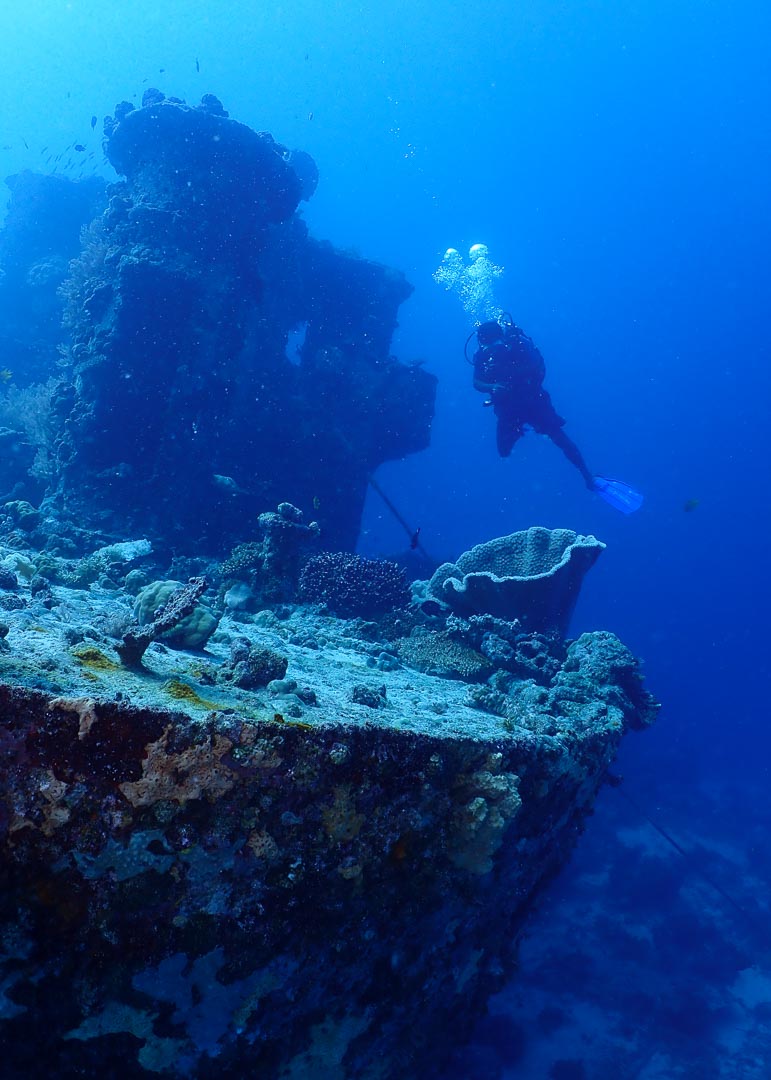
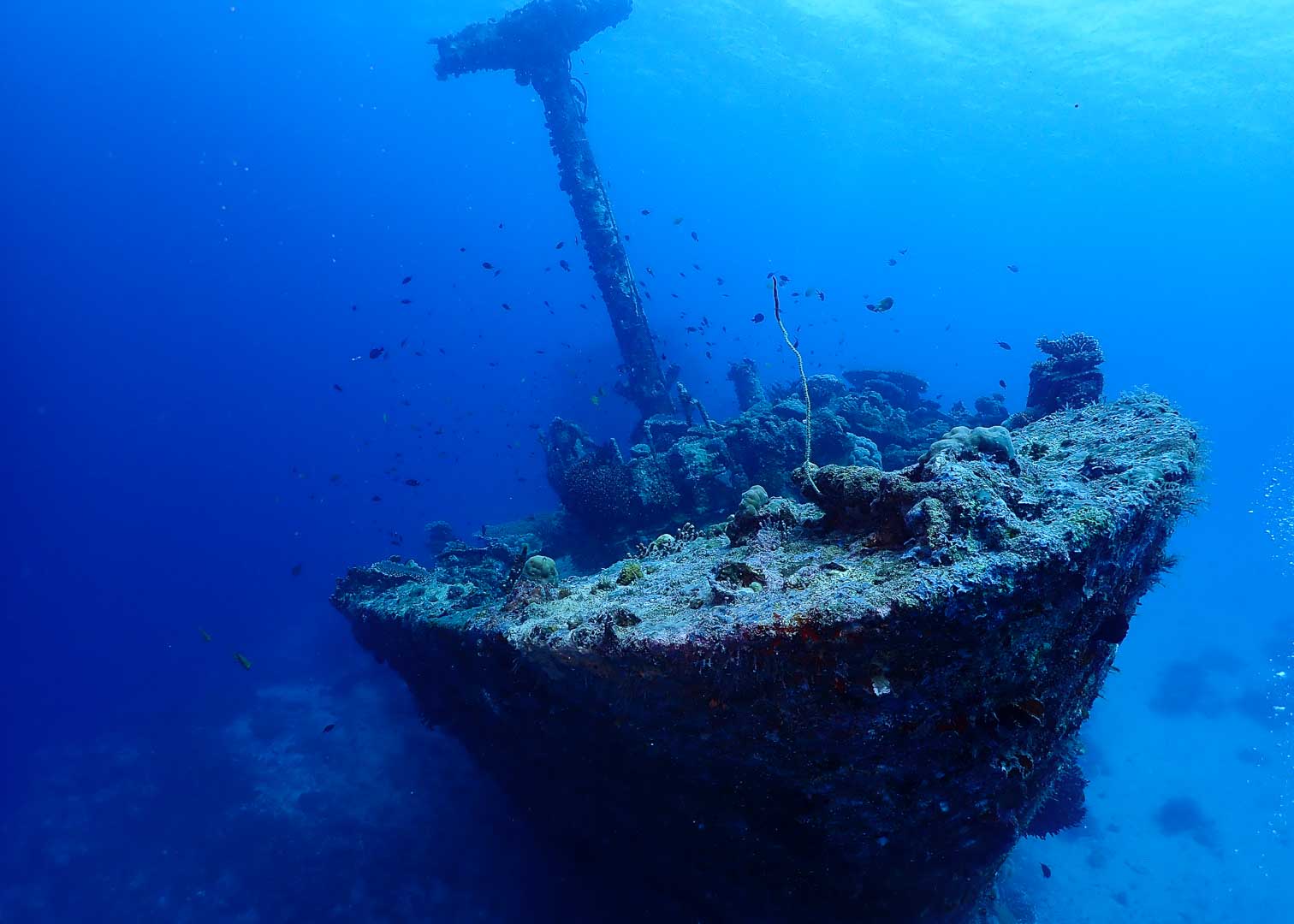
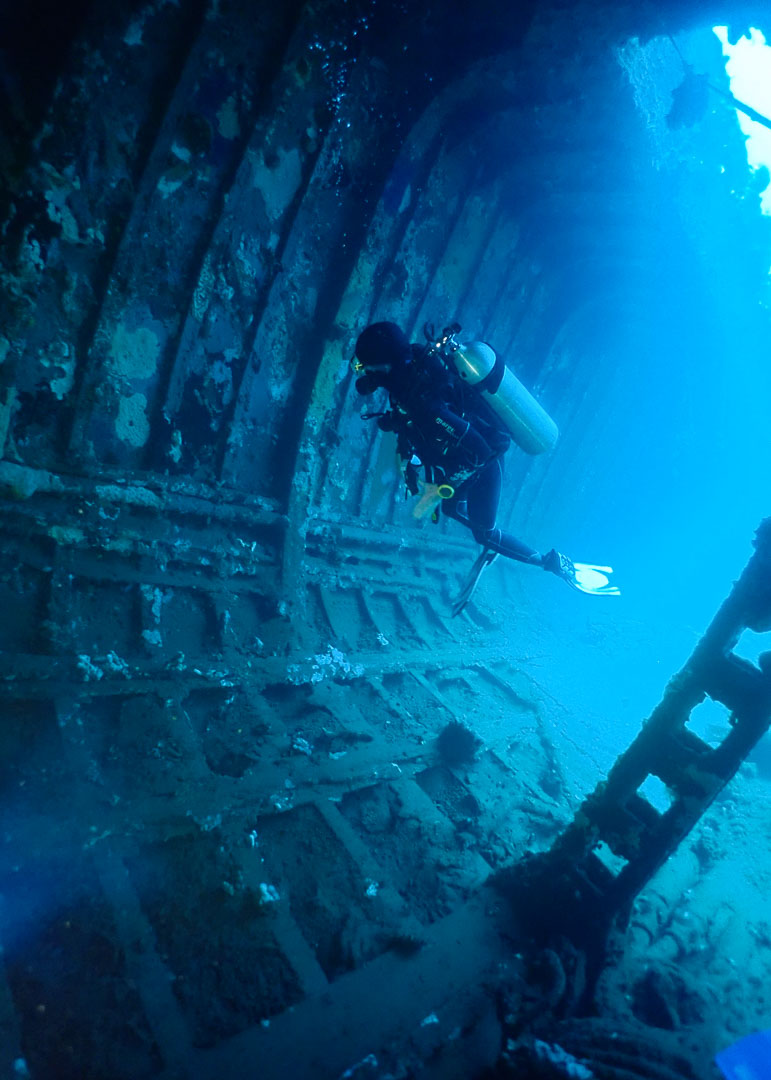
This wreck, which is named after George Tyers, the first person to dive it, started life as a Japanese marine cable layer, was later converted to a mine layer and still remains unidentified. The story goes that the skipper ran her aground after being skip bombed or torpedoed on the port side. The bow of the vessel is in 12 metres of water and the stern is at 60 metres. The bridge area is approximately 30 metres.

Coral, Muck and Wall Dives
In addition to all these great wreck dives we have beautiful pristine coral dive sites which include Tom, Dick & Harry, Hannah’s Hotspot for schooling & pelagic fish; The Lighthouse, East Point and Pigmie Point for macro enthusiasts; and Reimers Wall and Sub Base for wall divers.


Tom, Dick & Harry
These are 3 reefs joined by a submerged 15m deep ridge. Each reef is unique – Harry has large plate corals & barrel sponges and is frequented by large schools of trevally and rainbow runners. Dick, being the middle reef, features a coral and rock field amongst which a diverse range of cryptic critters can be found. A seamount adjacent to the final reef, Tom, is a great place to hover in wait of mackerel & eagle rays passing in the oncoming current.


The Lighthouse
On the southwest side of Ura Island is a small lighthouse, below which there are huge coral rock bommies standing at least 6-7 metres tall. There are resident double-headed Maori wrasse, coral trout, and crayfish, as well as heaps of critters like nudibranchs. There are swim-thrus amongst the bommies and at the bottom there are giant barrel sponges, sea whips, lettuce leaf coral and schools of reef fish, all just in 16-20m of water.


Reimer’s Wall
This wall has over hangs, short swim-throughs, and canyons spread right the way around the open side of the reef. The dropoff plummets to 50m before easing away. Many small schooling fish travel the wall, rainbow runner's and blue fin trevally to name two, but the wall is also covered with smaller cryptic creatures.


Submarine Base
This sheer drop off (250 meters plus) located meters from the shore line, was used in World War II for Japanese submarines to unload and load cargo with a quick escape plan. Straight down! Its natural sheer wall is the edge of a vast submerged caldera, with many soft and small corals growing from the wall, barrel sponges and sea fans-whips decorating the wall. Entry here can get a bit awkward at low tide especially if you don't have your booties but once in, it is like you are falling into the abyss. A must dive.

Accomodation & Amenities

Kabaira Dive Rabaul

Kabaira Dive Rabaul
Kabaira Dive Rabaul is an ideal site from which to explore the wrecks and reefs of Rabaul. The nearest dive spot is a mere 10 minutes away.

Your hosts, Stephen and Marsha Woolcott, have many years of local experience, and are more than willing to share their knowledge with guests.


AccomodationKabaira Room
The main building is lodge-style with one double room, two twin rooms and two single rooms. Bathroom facilities are shared. There also two free standing bungalows.

Amenities
Adjacent to the sleeping quarters is the Dining Lounge and Pukpuk Bar. Three meals are served daily, and the menu takes on a Rabaul flavour which is a blend of local, European and Chinese cuisine.
All meals are included in your stay.

Activities: Enjoy a day out exploring the reefs and surrounding islands, or stay on land and enjoy half or full day tours around the Gazelle Peninsula, visit local World War II historical sites or take a walk around the local markets.


Return to the top

Dive Adventures - Australias Leading Scuba Diving Travel Experts, Australia and Asia Pacific


Terms and Conditions - Site Map